
 Hot
HotGeneral Health
10 Foods That Can Help Improve Your Blood Flow

Dec
Do you struggle with poor circulation or want to take preventative measures for heart health? Maintaining healthy blood flow is crucial for delivering oxygen and nutrients throughout your body.
Fortunately, dietary choices can significantly impact your circulation. This post explores 10 delicious foods scientifically shown to improve blood flow and overall cardiovascular health.
The Value of Blood Pressure Control
Supercharge Your Circulation: 10 Delicious Foods (improve blood flow)
Don’t Swap Salt for Sluggish Flow: Achieve Optimal Blood Pressure with These Dietary Powerhouses
Unclog Your Arteries & Improve Blood Flow: Fight High Blood Pressure Naturally (Reduce High Blood Pressure)
The Culprit: Salt and its Impact on Blood Flow
While most know reducing salt is crucial for blood pressure, understanding why is key. Sodium constricts blood vessel walls, hindering smooth blood flow. Additionally, it acts like a sponge, causing the body to retain water and increasing blood volume. This puts extra strain on your circulatory system, leading to high blood pressure.
Beyond Bloating: How Salt Hinders Circulation
Salt’s influence goes beyond puffiness. It disrupts the natural constriction of blood vessels and damages the health of endothelial cells lining the arteries. These factors combined significantly reduce blood flow efficiency.
The Domino Effect of Uncontrolled Hypertension
Uncontrolled high blood pressure has serious consequences. Over time, it can lead to memory loss, heart attack, angina, stroke, vision problems, kidney stones, coronary artery disease, and more.
Are you affected?
Processed Food Peril: How Convenience Can Cost You (Reduce High Blood Pressure)
Lovers of convenience beware! Diets heavy in processed foods, restaurant meals, and pre-made treats are often loaded with sodium, unhealthy fats, and added sugars. These elements combine to create a perfect storm for high blood pressure.
Risk Factors Beyond Processed Foods:
While processed food choices significantly impact blood pressure, other factors come into play:
- Age: Unfortunately, the risk of high blood pressure naturally increases as we age.
- Gender: Both men and women are susceptible, with women over 65 facing an even higher risk.
- Weight: Obesity is a major risk factor for high blood pressure. Maintaining a healthy weight can significantly reduce your risk.
- Smoking: Smoking damages blood vessels and contributes to hypertension. Quitting smoking is crucial for overall cardiovascular health.
- Existing Heart Conditions: If you have existing heart problems, you’re more likely to develop high blood pressure. Early detection and management of heart conditions are essential.
Understanding Your Blood Pressure Reading (Reduce High Blood Pressure)
Decoding Your Blood Pressure Numbers:
Blood pressure readings consist of two numbers: systolic and diastolic.
- Systolic Pressure (Top Number): This measures pressure in your arteries when your heart beats (contracts). A healthy systolic pressure falls below 120 mmHg.
- Diastolic Pressure (Bottom Number): This reflects pressure between heartbeats (when your heart relaxes). A healthy diastolic pressure falls below 80 mmHg.
Are You Prehypertensive? (Reduce High Blood Pressure)
If your systolic reading is between 120-139 and your diastolic reading is between 80-89, you might be prehypertensive. This indicates a higher risk of developing high blood pressure. Early lifestyle changes like dietary adjustments can help prevent progression.
Hypertension Stages: Recognizing the Risks
Chronically high blood pressure leads to hypertension, categorized by stages:
- Stage 1 Hypertension: Readings range from 140-149 systolic / 90-99 diastolic. Early detection and lifestyle modifications are crucial.
- Stage 2 Hypertension: Readings range from 160 systolic / 100 diastolic or higher. This stage requires immediate medical attention due to the increased risk of heart damage.
Remember: Early detection and management of high blood pressure are essential for maintaining good cardiovascular health.
Fight Hypertension Naturally: Top Dietary Tips
Ditch Processed Foods, Embrace a Heart-Healthy Diet
Processed foods, restaurant meals, and fast food are loaded with hidden enemies of healthy blood pressure: excess salt, sugar, unhealthy fats, and even allergens. These elements combine to create a recipe for hypertension.
Hidden Salt Lurks Everywhere:
Be aware of hidden sources of sodium beyond the saltshaker. Processed meats, cheeses, pre-made sauces, and even seemingly healthy options like canned vegetables can be sodium bombs.
Embrace Fresh Flavor, Lower Your Blood Pressure:
Here’s the good news: A diet rich in fresh fruits, vegetables, whole grains, legumes, and beans is packed with flavor and powerful for lowering blood pressure. These nutrient-rich options promote heart health and weight management, both crucial for optimal blood pressure.
Focus on What to Add, Not What to Eliminate
Shift your mindset from deprivation to delicious possibilities! Instead of dwelling on what you can’t eat, focus on incorporating heart-healthy alternatives. The next section explores 10 easy-to-find grocery store staples that can transform your diet and support healthy blood pressure.
Top 10 Blood Flow Boosters and Blood Pressure Fighters
1. Celery: Crunchy Champion for Blood Flow
Celery takes the crown as a superstar for lowering blood pressure and enhancing circulation, all while containing natural sodium. Unlike processed foods laden with added salt, celery’s sodium comes from the earth itself, posing no health risks.
Potassium Powerhouse:
Celery boasts a wealth of potassium, a mineral that promotes healthy blood flow, reduces water retention, and balances out sodium in the body. This trio of benefits significantly impacts blood pressure control.
More than Just a Snack:
The perks of celery extend beyond taste! Its high water content keeps you hydrated, while its alkaline properties promote healthy blood pH levels. It even supports nervous system function! Enjoy celery as a refreshing snack, add it to soups and salads for extra crunch, or whip up a nutritious celery juice.
2. Don’t Beet Around It: This Root Fights Hypertension
Beets: beyond their bold color lies a wealth of benefits for your cardiovascular health! Here’s why you should give them a second chance:
- Potassium Powerhouse: Just like celery, beets are rich in potassium, a key mineral for promoting blood flow, reducing water retention, and balancing sodium levels – all crucial for healthy blood pressure (Reduce High Blood Pressure).
- Nitric Oxide Booster: Beets are a natural source of nitrates, which convert to nitric oxide in the body. Nitric oxide helps relax and open blood vessels, allowing for improved blood flow.
- Delicious Versatility: Beets are a culinary chameleon! Enjoy them juiced, boiled, grated raw in salads, or roasted for a caramelized sweetness. For a heart-healthy twist, dry-roast them with salt-free herbs and spices – a delicious way to fight hypertension and high cholesterol (Reduce High Blood Pressure).
3. Leafy Green Love: Nature’s Blood Pressure Busters
Go green for a healthier heart! Leafy greens are nature’s powerhouses for lowering blood pressure and boosting blood flow. Make them a daily staple in your diet through green smoothies, salads, or veggie-packed soups.
- Potassium Power: Leafy greens, like romaine, spinach, kale, collard greens, arugula, and even some lettuces, are loaded with potassium, a mineral that dilates blood vessels and helps balance sodium levels – both key factors in blood pressure control (Reduce High Blood Pressure).
- More Than Just Potassium: Certain greens like kale, romaine, and spinach are champions in magnesium and Vitamin C as well. These nutrients contribute to a healthy nervous system and provide additional benefits for healthy blood pressure.
Leafy Green Genuss (Enjoyment): Aim for 3 cups of leafy greens daily. Explore different ways to incorporate them – experiment with flavors and textures! Remember, healthy doesn’t have to be bland.
Important Note: Skip the deep-frying with unhealthy fats like butter. These can negate the positive effects of greens and contribute to heart problems in the long run. Focus on healthy cooking methods like grilling, steaming, or using light oils.
4. Don’t Monkey Around with Hypertension: Bananas to the Rescue
Potassium Powerhouse: Beyond their potassium fame, bananas offer a treasure trove of heart-healthy nutrients!
- Potassium for Pressure Control: Like our previous entries, bananas are rich in potassium, a mineral that dilates blood vessels and balances sodium – both essential for healthy blood pressure (Reduce High Blood Pressure).
- Beyond Potassium: The benefits of bananas go beyond a single nutrient. They contain magnesium, Vitamin B6, manganese, and the amino acid tryptophan. These work together to support a healthy nervous system and reduce stress, which can contribute to high blood pressure.
- Muscle and Blood Flow Benefits: Bananas can improve muscle contractions due to their potassium content, and their role in blood flow contributes to overall cardiovascular health.
5. Spud Power: Why Potatoes Deserve a Spot in Your Blood Pressure Diet
Don’t fear the spud! Complex carbs in potatoes become your allies in the fight against high blood pressure, Here’s why:
- Potassium Champion: Potatoes, often shunned for carbs, are actually potassium powerhouses, boasting three times the amount found in bananas! Potassium helps regulate blood flow and balance sodium levels, both crucial for healthy blood pressure (Reduce High Blood Pressure).
- A Multi-Nutrient Marvel: Beyond potassium, potatoes are a treasure trove of essential vitamins and minerals. They surpass most fruits and vegetables in Vitamin B6 and iron content, and offer additional benefits from magnesium, copper, and zinc.
White vs. Colorful: Choosing Your Spud
All potato varieties are excellent sources of these nutrients, including white potatoes. However, for those with sensitive blood sugar, red, purple, or sweet potatoes offer slightly more fiber and less sugar per serving.
Russets and Yukon Golds: Affordable Champions
Russet, Yukon Gold, and other yellow potatoes are budget-friendly options for lowering blood pressure naturally.
Healthy Toppings for Delicious Flavor
The key is in topping choices! Ditch the butter, sour cream, and cheese. Explore a world of flavor with fresh herbs, spices, a squeeze of lemon (to mimic salt!), salsa, black beans, or even dry-roasting your potatoes with herbs and salt-free spices for a caramelized delight.
Embrace the potato – a delicious and heart-healthy weapon in your fight against high blood pressure!
6. Crunch Your Way to Lower Blood Pressure: The Apple Advantage
An apple a day truly keeps the doctor away, especially when it comes to blood pressure!
- Potassium and Vitamin C Powerhouse: Apples are a one-two punch for heart health, loaded with potassium and Vitamin C. Potassium helps regulate blood flow and balance sodium levels, while Vitamin C keeps your blood vessels flexible and strong – both key factors for healthy blood pressure (Reduce High Blood Pressure).
- Fiber and Water for Added Benefits: Apples are a double threat to high blood pressure with their fiber and water content. Fiber aids in digestion and cholesterol removal, while water keeps you hydrated, which can improve blood flow.
Organic and Whole for Maximum Benefit:
- Opt for Organic: Minimize pesticide exposure by choosing organic apples whenever possible.
- Whole Apples vs. Applesauce/Juice: Reach for whole apples over applesauce or juice. Whole apples offer the benefit of fiber, which is absent or significantly reduced in processed options.
Weight Management Bonus: Apples are a low-calorie, high-fiber snack that can help with weight management. Maintaining a healthy weight is another factor in controlling blood pressure.
So, crunch on an apple daily for a simple and delicious way to support healthy blood pressure!
7. Flaxseed: Tiny Seed, Big Benefits for Blood Pressure
Flaxseed: Your Daily Dose of Powerful Nutrients
Flaxseed isn’t just a tiny seed; it’s a powerhouse for blood pressure control!
- Essential Fatty Acid All-Star: Ground flaxseed provides a spectrum of essential fatty acids crucial for overall health.
- Blood Flow Booster: Flaxseed shines in its ability to improve blood flow.
- Lignan Advantage: These unique compounds found in flaxseed further contribute to lowering cholesterol and enhancing blood flow, offering a double whammy against high blood pressure (Reduce High Blood Pressure).
Incorporate flaxseed easily into your diet for a heart-healthy boost!
8. Burst of Berries: Nature’s Candy Lowers Blood Pressure
Berries are more than just delicious – they’re tiny warriors against high blood pressure!
- Potassium Powerhouse: Like many other heart-healthy options on this list, berries are loaded with potassium, a mineral that regulates blood flow and balances sodium levels in the body – both essential for healthy blood pressure (Reduce High Blood Pressure).
- Vitamin C and Trace Mineral Magic: Berries offer a bounty of Vitamin C and essential trace minerals, working together to improve blood flow and overall cardiovascular health.
- Fiber Fighter Against Cholesterol: The high fiber content in berries makes them a champion in the fight against high cholesterol – another risk factor for high blood pressure.
- Antioxidant Advantage: Berries are packed with antioxidants that help relax the body and improve blood flow. Additionally, these antioxidants help eliminate harmful toxins that can contribute to arterial buildup, keeping your heart healthy.
- Weight Management and Blood Sugar Benefits: Berries are a low-glycemic index fruit, meaning they won’t spike your blood sugar. They’re also a delicious and low-calorie way to support healthy weight management, another factor in blood pressure control.
Enjoy a cup of fresh or frozen berries (raspberries, blueberries, blackberries, cranberries, or strawberries) daily! Incorporate them into meals or snacks for a burst of flavor and a heart-healthy boost!
9. Florets for Your Health: Why Broccoli is a Blood Pressure Superhero
Broccoli: Don’t Let Childhood Aversions Fool You!
This powerhouse veggie is more than just a childhood nemesis; it’s a blood pressure superhero!
- Nutrient-Rich Blood Flow Booster: Broccoli is packed with nutrients that promote healthy blood flow, including potassium, Vitamin C, and Vitamin B6.
- Fiber Power: The high fiber content in broccoli adds another layer of defense against high blood pressure.
- Raw or Steamed for Maximum Benefit: To retain the most nutrients, enjoy broccoli raw or lightly steamed. Boiling leaches out beneficial vitamins and minerals.
Flavorful Cooking Tips:
- Ditch the Salt: Skip the unhealthy salt and explore flavorful alternatives! Black pepper, herbs, and a splash of no-salt-added vegetable broth can transform your broccoli.
- Embrace the Plain: Sometimes, simple is best! Enjoy the natural taste of broccoli on its own.
Incorporate broccoli into your diet for a delicious and nutritious way to keep your blood pressure in check!
10. Squash Squad: Your Versatile Ally Against High Blood Pressure
Winter or summer, all types of squash are superstars for blood pressure control!
- Potassium Powerhouse: Squash, including zucchini, is a champion source of potassium, a mineral that regulates blood flow and balances sodium in the body – both essential for healthy blood pressure (Reduce High Blood Pressure).
- Vitamin and Mineral Bounty: Beyond potassium, squash boasts a wealth of Vitamin B6, Vitamin C, and various trace minerals, all contributing to a healthy cardiovascular system.
- Winter vs. Summer Squash: Enjoy a variety! Butternut, spaghetti, acorn, kabocha – winter squashes are all excellent choices. Zucchini and yellow squash represent the summer squash bounty.
Flavorful Cooking Techniques: Embrace Low-Sodium Options
- Grilled Goodness: Cut squash into strips and grill them for a smoky, flavorful twist – no oil or butter needed!
- Roasted Delights: Chop squash into wedges and roast them on a pan with a delightful combination of Italian seasonings, lemon juice, and black pepper.
- Winter Squash Roasting Hack: For easier handling of winter squashes with tough shells, simply roast them whole at 400°F (200°C) for 50 minutes. Once cool, slice them open, season, and enjoy!
Incorporate a variety of squash into your diet for a delicious and versatile way to manage your blood pressure!
11. Crunch on Carrots to Reduce High Blood Pressure
Carrots aren’t just for good eyesight! These vibrant orange vegetables pack a powerful punch for reducing high blood pressure. Here’s how:
- Beta-Carotene for the Win: Carrots are brimming with beta-carotene, which converts to Vitamin A in the body. Vitamin A plays a role in maintaining healthy blood vessel lining, which is crucial for proper blood flow and blood pressure control [Insert link to a reliable source about Vitamin A and Blood Pressure].
- Potassium Power: Like many other heart-healthy options on this list, carrots are a source of potassium, a mineral that helps regulate blood flow and balance sodium levels in the body – both essential for healthy blood pressure (Reduce High Blood Pressure).
- Fiber Fighter: The fiber content in carrots contributes to overall heart health and may even help lower cholesterol, another risk factor for high blood pressure [Insert link to a reliable source about fiber and cholesterol].
Enjoy Carrots in Delicious Ways:
Carrots are a versatile ingredient! Enjoy them raw with a hummus dip for a satisfying snack, or explore these options:
- Roast them with other vegetables for a colorful side dish.
- Grate them into salads for added sweetness and texture.
- Add them to soups and stews for a boost of nutrients.
Start incorporating carrots into your diet for a delicious and easy way to support healthy blood pressure!
…>>> continue from here!
Don’t Miss These:
Whole Grains, Legumes, and More: Power Up Your Heart Health
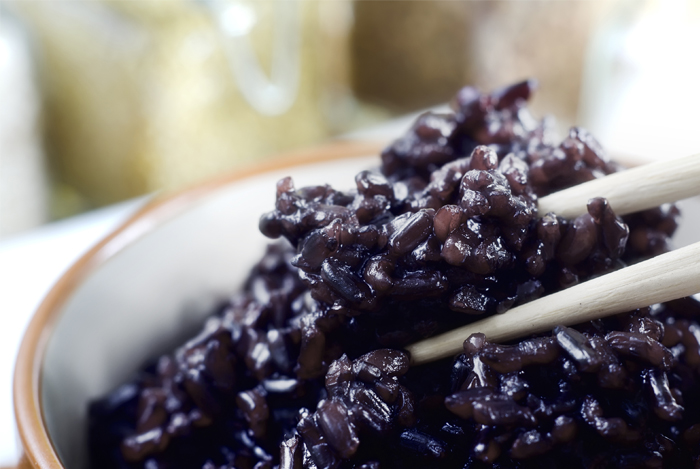
Whole grains and legumes are heart-healthy superstars, joining a chorus of fresh fruits and vegetables in the fight against high blood pressure (Reduce High Blood Pressure). Stock your pantry with these nutrient-rich options for a delicious path to lower blood pressure:
Grains for Every Meal:
- Wild Rice: This nutty-flavored grain adds a unique touch to salads, bowls, or pilaf.
- Oatmeal & Oat Bran: Enjoy these fiber-rich breakfast staples for a heart-healthy start to your day.
- Brown or Black Rice: Elevate your meals with chewier textures and a touch of nuttiness.
- Quinoa: This protein-packed pseudo-grain is a versatile side dish or salad ingredient.
Beans and Legumes: A Nutritional Powerhouse:
- Lentils, Black Beans, Cannellini Beans, Kidney Beans: Explore this world of fiber and protein-rich options in soups, stews, dips, or even veggie burgers!
- Frozen or Fresh Peas, Black-Eyed Peas, Split Peas: These legumes add bursts of flavor and protein to soups, salads, and side dishes.
- Chickpeas: Enjoy these versatile beans in hummus, salads, falafel, or roasted for a crunchy snack.
Embrace the Rainbow: Fruits and Vegetables
Most fresh and frozen fruits and vegetables are excellent choices for blood pressure management (be mindful of dried fruits with added sugars). Fill your plate with a colorful variety!
Tips for Canned Beans and Legumes:
- Read Labels & Choose “No Salt Added”: Many canned legumes contain added sodium. Opt for “no-salt-added” varieties and control the sodium yourself during cooking.
- Organic Options: Look for organic brands that offer BPA-free cans or tetra packages with no added sodium.
Incorporating Nuts and Seeds:
- Almonds, Walnuts, Cashews: Enjoy these heart-healthy nuts in moderation (raw or unsalted for less sodium).
- Pumpkin, Sunflower, Chia, Hemp Seeds: Sprinkle these nutrient-rich seeds on salads, oatmeal, or yogurt for an added flavor and texture boost.
- Pecans: A delicious and heart-healthy addition to salads, desserts, or snack mixes.
Remember: Keep nut and seed portions to 1-2 tablespoons (1-2 ounces) daily to manage healthy fat intake.
By incorporating this variety of heart-healthy whole grains, legumes, fruits, vegetables, nuts, and seeds into your diet, you’re taking a delicious step toward managing your blood pressure!
Other contributing factors to high blood pressure
Beyond Diet: Minimizing Other Risk Factors for High Blood Pressure

While diet is a major player in blood pressure control, it’s not the only factor to consider. Here are 4 additional risk factors to keep in mind:
- Get Moving: Lack of Activity: Regular physical activity is crucial for maintaining healthy blood pressure. Aim for at least 150 minutes of moderate-intensity exercise or 75 minutes of vigorous-intensity exercise per week [Insert link to a reliable source about exercise and blood pressure].
- Stress Less, Live More: Stress: Chronic stress can contribute to high blood pressure. Explore stress management techniques like yoga, meditation, or deep breathing to keep your stress levels in check [Insert link to a reliable source about stress management and blood pressure].
- Secondhand Smoke & Smoking: Both smoking and exposure to secondhand smoke significantly increase your risk of high blood pressure and other cardiovascular problems. Quitting smoking or avoiding secondhand smoke altogether is essential for heart health.
- Pre-Existing Health Conditions: Certain health issues, like kidney disease or narrowed arteries, can raise blood pressure. Regular checkups with your doctor can help identify and manage any underlying conditions.
Remember: By managing these risk factors alongside a healthy diet, you can take a proactive approach to maintaining healthy blood pressure and overall well-being.
The Choice is Yours:
Take Charge of Your Heart Health: Your Choices Make a Difference
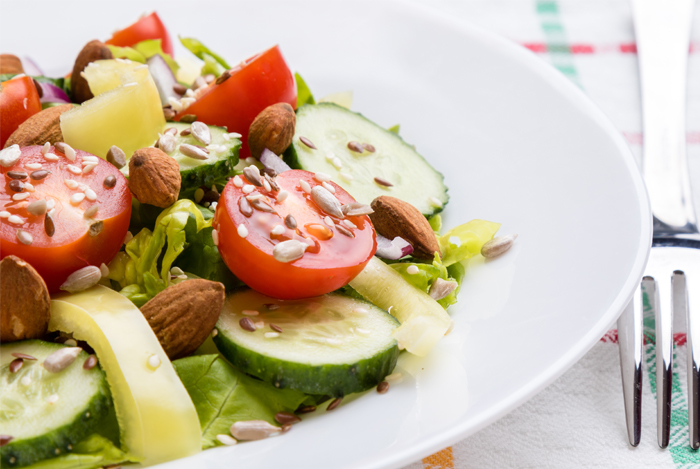
Empower yourself to create a healthier heart! Your daily decisions hold the key to a stronger, happier you. Here’s how to get started:
- Prioritize Whole Foods: Fill your plate with nutrient-rich whole foods. These unprocessed options provide essential vitamins, minerals, and fiber to support your heart health (Reduce High Blood Pressure).
- Limit Processed Foods: Processed foods often contain high amounts of sodium, unhealthy fats, and added sugars – all of which can contribute to high blood pressure.
- Cook More at Home: Take control of your ingredients! Preparing meals at home allows you to choose healthier options and control sodium intake.
Embrace a Healthy Lifestyle for Overall Well-being
A healthy diet is a cornerstone, but it’s not the only piece of the puzzle. Incorporate these practices for a well-rounded approach to heart health:
- Develop Healthy Habits: Regular exercise, stress management techniques, and adequate sleep are all crucial for maintaining a healthy heart.
Your Choices, Your Health
You have the power to make positive choices that impact your heart health today! Start by stocking your fridge with heart-healthy options, and watch your well-being flourish.
This is your journey to a healthier you – make it a delicious and empowering one!
The Value of Blood Pressure Control
Improving blood flow should be the top goal when it comes to preventing and treating high blood pressure (Reduce High Blood Pressure). When blood can circulate through the arteries normally, pressure does not build up and prevents blood from getting to the heart and brain when it needs to.
Most individuals are aware that reducing or getting rid of salt from their diets should be a major focus. In addition to constricting blood vessel walls, sodium also causes the body to retain water. In the body, salt also functions as a sponge, soaking up extra fluid and slowing blood flow.
Salt interferes with how your vessels constrict and how healthy the endothelial cells in your arteries are, in addition to making you puffy and bloated.
Over time, high blood pressure can cause memory loss, a heart attack, angina, a stroke, eyesight loss, kidney stones, coronary artery disease, and other health problems.
Who is at Risk for High Blood Pressure?
Not everyone is equally susceptible to high blood pressure. Here’s a breakdown of the key risk factors:
- Processed Food Dependence: A diet heavy in processed foods, convenience meals, and restaurant fare often packs a hidden whammy – high sodium, unhealthy fats, and added sugars. These elements can all contribute to high blood pressure (Reduce High Blood Pressure).
- Age: As we age, the risk of high blood pressure naturally increases.
- Gender: Men are generally more likely to develop high blood pressure than women, especially before age 65.
- Weight: Obesity is a significant risk factor for high blood pressure.
- Smoking: The chemicals in cigarettes damage blood vessels and contribute to high blood pressure.
- Existing Heart Conditions: People with pre-existing heart problems are at an increased risk for high blood pressure.
If any of these risk factors apply to you, it’s especially important to prioritize a healthy diet, regular exercise, and regular checkups with your doctor.
Understanding Your Blood Pressure Reading
ver wondered what those two numbers your doctor gives you after a blood pressure check mean? Here’s a breakdown to empower you:
Two Numbers, One Story:
Your blood pressure reading consists of two numbers, one on top of the other. The top number, systolic pressure, represents the pressure in your arteries when your heart beats. The bottom number, diastolic pressure, measures the pressure between heartbeats when your heart muscle relaxes and refills with blood.
Normal Blood Pressure Range:
- Systolic: Ideally below 120 mmHg (millimeters of mercury)
- Diastolic: Ideally below 80 mmHg
Prehypertension:
If your readings fall between:
- Systolic: 120-139 mmHg
- Diastolic: 80-89 mmHg
This indicates you’re at risk for high blood pressure. Lifestyle changes like a healthy diet and exercise can help prevent progression.
Hypertension Stages:
Chronically high blood pressure leads to two stages of hypertension:
- Stage 1:
- Systolic: 140-149 mmHg
- Diastolic: 90-99 mmHg
- Stage 2:
- Systolic: 160 mmHg or higher
- Diastolic: 100 mmHg or higher
Stage 2 Hypertension and Above: Seek Immediate Medical Attention
Readings in stage 2 and higher require immediate medical attention, as significant heart damage can occur at these levels.
Remember: Consistent monitoring and a healthy lifestyle are crucial for maintaining healthy blood pressure. Consult your doctor for personalized guidance.
Kick the Processed Habit: How Diet Can Be Your Blood Pressure Ally
Processed foods, restaurant meals, and fast food – these convenient options often come with a hidden cost: high blood pressure (Reduce High Blood Pressure). Here’s why you should ditch them and embrace a heart-healthy diet:
- Processed Peril: Processed foods, restaurant fare, and fast food are loaded with sneaky culprits – added salt, sugar, unhealthy oils, preservatives, and even potential allergens. These elements can all contribute to high blood pressure.
- Hidden Sodium Havoc: Beware of seemingly harmless foods – bread, cheese, yogurt, deli meats, condiments, frozen meals – they can all harbor hidden sodium.
Embrace Fresh Flavor, Embrace Lower Blood Pressure
The good news? A delicious path to lower blood pressure exists! Focus on incorporating these heart-healthy options:
- Fresh Fruits and Vegetables: A vibrant rainbow of fruits and vegetables is packed with flavor, essential vitamins and minerals, and fiber – all power players for heart health and blood pressure control.
- Whole Grains: Whole grains offer a satisfying complex carbohydrate option that can help you feel fuller for longer and may even aid in weight management, another factor in blood pressure control.
- Legumes and Beans: Beans, peas, and lentils are a triple threat – loaded with protein, fiber, and various nutrients that contribute to overall heart health, including blood pressure management.
Shift Your Mindset: Focus on Adding, Not Depriving
Instead of feeling restricted, focus on adding delicious and nutritious heart-healthy options to your diet! This approach crowds out processed choices and creates a win-win for your taste buds and your blood pressure.

